Abstract:
**Summary:**
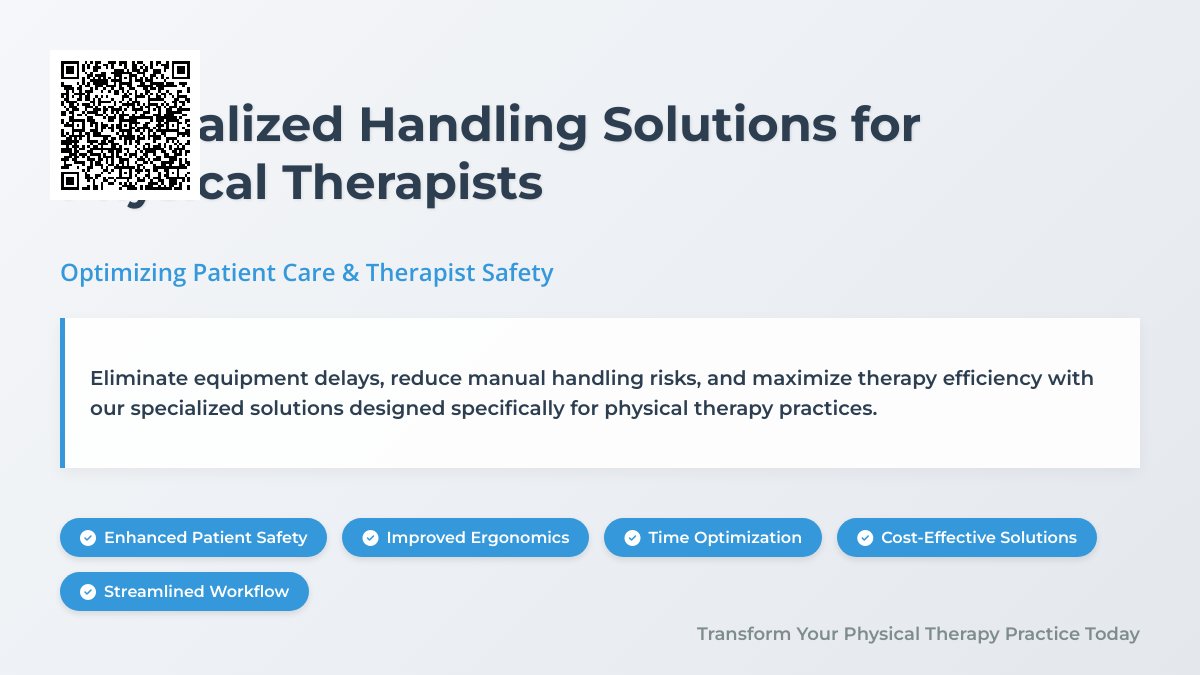
Physical therapists often face challenges in delivering optimal patient care due to equipment delays, safety concerns related to manual handling, and time constraints. This article explores these bottlenecks and proposes a solution: investing in specialized handling equipment. From patient lifts and transfer boards to ergonomic aids and gait trainers, these tools can significantly enhance patient safety, improve therapist ergonomics, and boost therapy efficiency. While budgetary constraints are a factor, rental options and comprehensive maintenance plans offer viable solutions. By prioritizing patient and therapist well-being through strategic equipment investment, physical therapy practices can ultimately accelerate recovery times, improve patient satisfaction, and reduce liability risks. A collaborative approach to selecting equipment, considering patient needs and clinic layout, is key to maximizing the benefits.
---
Physical Therapists: Slowing Down Recovery? Always Need Equipment Quickly – Our Solution: Specialized Handling
Introduction: The Paradox of Physical Therapy
Physical therapy is all about accelerating recovery. It’s about restoring movement, easing pain, and empowering patients to regain independence. Yet, there’s a frustrating paradox within the field: the tools meant to speed recovery can sometimes slow it down—or at least make the process less efficient.
Physical therapists (PTs) are constantly juggling high caseloads, diverse patient needs, and complex treatment protocols. This balancing act can lead to delays, safety risks, and inefficiencies that impact both patient recovery and therapist well-being. This article explores these challenges, identifies common bottlenecks, and introduces a solution: specialized handling equipment designed to streamline workflows and prioritize safety.
The Challenges Faced by Physical Therapists
1. Equipment Availability & Delays
PTs often face delays in getting the right equipment. Whether it’s due to budget constraints, long lead times, or equipment breakdowns, these delays can force therapists to improvise or postpone necessary interventions. This directly impacts treatment plans and recovery timelines.
2. Manual Handling Risks & Ergonomic Strain
Patient handling is a critical part of physical therapy, but it can take a toll on therapists’ bodies. Repetitive lifting, transfers, and repositioning can lead to musculoskeletal injuries, such as back pain and shoulder issues. These injuries not only affect therapist health but also contribute to staff turnover and higher healthcare costs.
3. Session Time Optimization
Every minute of a therapy session is valuable. Time spent searching for equipment, setting it up, or struggling with awkward maneuvers reduces the time available for direct patient interaction. This inefficiency can slow progress and reduce the impact of treatment.
4. Patient Safety Concerns
Improper handling, often due to inadequate equipment or rushed procedures, can lead to falls, injuries, or a sense of insecurity for patients. This can harm the therapeutic relationship and negatively impact outcomes.
5. Budgetary Constraints
Smaller physical therapy clinics often operate on tight budgets, limiting their ability to invest in advanced equipment or adequate staffing for patient handling.
The Ripple Effect: How These Challenges Impact Recovery
- Prolonged Recovery Times: Delays in accessing equipment and reduced therapy time can slow the healing process.
- Reduced Treatment Adherence: Patients may be less likely to follow prescribed exercises if they feel rushed or unsafe.
- Increased Risk of Re-injury: Poor handling techniques can lead to re-injury, undermining progress.
- Therapist Burnout: The physical and mental strain of managing a demanding workload while navigating equipment challenges can lead to burnout, affecting the quality of care.
- Negative Patient Experience: A frustrating therapy experience can deter patients from continuing treatment, further delaying recovery.
Our Solution: Specialized Handling Equipment – A Paradigm Shift
The solution lies in a shift toward specialized handling equipment designed to prioritize patient and therapist safety, streamline workflows, and maximize therapy efficiency. This isn’t just about acquiring more equipment; it’s about investing in smart, purpose-built tools that address the unique needs of physical therapy practices.
What is Specialized Handling Equipment?
Specialized handling equipment includes devices and systems designed to assist with patient transfers, repositioning, and mobility. Key examples include:
- Patient Lifts (Hoyer Lifts, Sit-to-Stand Lifts): These lifts reduce the risk of manual handling injuries by safely transferring patients between beds, chairs, and therapy equipment. They come in various models to accommodate different patient sizes and mobility levels.
- Transfer Boards & Sliding Sheets: These tools facilitate smooth and safe transfers, minimizing friction and the need for excessive lifting.
- Ergonomic Positioning Aids: Cushions, wedges, and supports help maintain proper patient alignment, reducing the need for manual adjustments.
- Mobility Aids (Walkers, Rollators, Gait Trainers): Specialized gait trainers, for example, provide targeted support and stability for patients with neurological conditions.
- Powered Assist Lifts: These lifts offer additional support for heavier patients or those requiring complex transfers, further reducing therapist strain.
- Portable & Modular Systems: The ability to quickly set up and move equipment is critical. Portable and modular systems offer flexibility and adaptability within the therapy space.
The Benefits of Investing in Specialized Handling Equipment
- Enhanced Patient Safety: Reduced risk of falls and injuries for both patients and therapists.
- Improved Therapist Ergonomics: Significant reduction in musculoskeletal strain and injury risk, leading to better therapist well-being and lower absenteeism.
- Increased Therapy Efficiency: Faster and smoother transfers and repositioning free up valuable therapy time for direct patient care.
- Expanded Patient Capacity: With safer and more efficient handling, therapists can potentially see more patients without compromising care quality.
- Improved Patient Satisfaction: A more comfortable and secure therapy experience leads to higher satisfaction and better adherence to treatment plans.
- Reduced Liability Risks: Proactive investment in safety equipment demonstrates a commitment to patient and therapist well-being, potentially lowering liability risks.
- Cost Savings in the Long Run: While the initial investment may seem significant, long-term benefits like reduced injury-related costs and improved staff retention can lead to substantial savings.
Beyond Purchase: Rental & Maintenance – A Holistic Approach
Recognizing the budgetary constraints faced by many PT practices, rental options for specialized handling equipment are growing in popularity. This allows clinics to access advanced equipment without a large upfront investment. Additionally, a comprehensive maintenance and service plan is essential to ensure equipment reliability and longevity.
Choosing the Right Equipment: A Collaborative Process
Selecting the appropriate specialized handling equipment requires a careful assessment of the clinic’s specific needs and patient population. Consider factors such as:
- Patient Demographics: Age, weight, mobility level, and medical conditions.
- Treatment Specialties: Neurological rehabilitation, orthopedic therapy, geriatric care, etc.
- Clinic Layout & Space: Available space and accessibility.
- Therapist Input: Gather feedback from therapists regarding their handling challenges and equipment preferences.
- Training & Support: Ensure adequate training for therapists on proper use and maintenance of the equipment.
Conclusion: Empowering Therapists, Accelerating Recovery
The challenges facing physical therapists are real and multifaceted. While dedication and expertise remain essential, equipping therapists with the right tools is crucial for optimizing patient recovery and ensuring their own well-being. Specialized handling equipment isn’t just a luxury; it’s a necessity for modern physical therapy practices. By embracing a proactive approach to patient handling and investing in smart equipment solutions, PTs can streamline workflows, enhance safety, and ultimately accelerate the path to recovery for their patients.
This is a win-win scenario: healthier therapists, safer patients, and more effective therapy.
SEO Notes & Recommendations
- Keyword Density: Aim for a natural flow with keywords integrated seamlessly. Use variations of keywords (e.g., “physical therapy equipment,” “rehab equipment,” “patient transfer aids”).
- Header Tags: Use H1 for the main title, H2 for major sections, and H3 for sub-sections. Include keywords strategically.
- Internal Linking: Link to relevant pages on your website, such as product pages for specific equipment.
- External Linking: Link to reputable sources like the APTA (American Physical Therapy Association) or research studies on ergonomics to build credibility.
- Image Optimization: Use relevant images with descriptive alt text incorporating keywords. Example: “Physical therapist using a Hoyer lift to safely transfer a patient.”
- Meta Description: Write a compelling meta description that includes main keywords and a call to action.
- URL Structure: Use a clean, keyword-rich URL. Example:
/physical-therapy-equipment-handling/
- Mobile-Friendliness: Ensure your website is responsive and optimized for mobile devices.
- Page Speed: Optimize your website for fast loading times.
- Schema Markup: Consider adding schema markup for better search engine understanding.
- Promotion: Share the article on social media, email newsletters, and other relevant platforms to build backlinks and visibility.
Questions for Refinement
- What specific types of specialized handling equipment are you focusing on? (e.g., Hoyer lifts, gait trainers, etc.)
- Who is your target audience? (e.g., clinic owners, physical therapists, purchasing managers)
- What is the main call to action you want readers to take? (e.g., request a quote, download a brochure, schedule a demo)
Let me know how you’d like to proceed!