Abstract:
你写的摘要内容
Building a home gym is a dream for many, but the reality often involves frustrating delays and unexpected costs. This article tackles the common hurdles of creating a personalized workout space, revealing that the key isn’t simply having the budget or the space, but rather a strategic approach – “optimized route planning.” It identifies frequent pitfalls like backordered equipment, high shipping fees, and underestimated space constraints, alongside budget creep and haphazard purchasing. The article outlines a six-step solution: defining fitness goals, researching equipment, strategically selecting vendors (considering local options and bundle deals), meticulous space planning, careful assembly, and ongoing optimization. By prioritizing purchases, staggering deliveries, and utilizing resources like online reviews and local classifieds, you can minimize delays, save money, and create a truly functional and motivating home gym. Ultimately, optimized route planning transforms a daunting project into a manageable and rewarding journey toward achieving your fitness goals.
---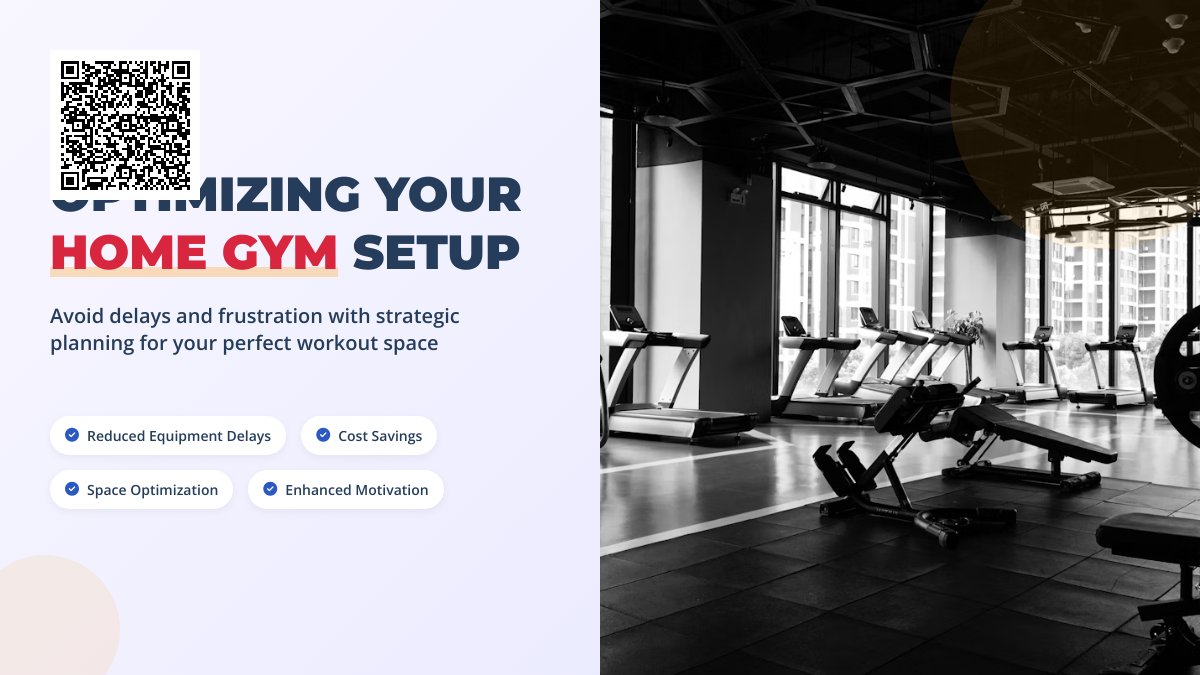
Optimizing Your Home Gym Setup: Avoid Delays with Strategic Planning
Are you tired of delaying your home gym setup? Struggling to get your equipment on time? The solution might be simpler than you think: optimized route planning. This approach can turn your home gym aspirations into reality, saving you time and frustration.
Common Challenges in Home Gym Construction
Building a home gym is a thrilling idea, but many face obstacles that derail their progress. Here are some of the most common issues:
- Backordered Equipment: The global supply chain issues have made it hard to get popular fitness gear, especially strength training machines and cardio equipment.
- High Shipping Costs: Heavy fitness equipment can cost hundreds or even thousands in shipping, especially for items like treadmills and power racks.
- Space Constraints: That "perfect" spot in your basement might not fit your equipment after all. Proper measurement is crucial.
- Budget Creep: It's easy to overspend when you start adding "nice-to-have" items to your list.
- Lack of a Clear Plan: Without a defined strategy, you might end up buying unnecessary duplicates or items that don't fit your goals.
- Multiple Vendor Issues: Juggling different retailers can be a logistical nightmare.
- Assembly Challenges: Some equipment requires significant assembly, which can be daunting without the right tools or experience.
Strategic Planning for Your Home Gym
Optimized route planning isn't just about finding the fastest shipping route—it's a comprehensive approach to building your home gym. Here's how to implement it:
-
Define Your Fitness Goals and Equipment Needs
- Start by identifying your fitness objectives. Are you focusing on strength training, cardio, or a mix?
- Create a detailed list of essential vs. nice-to-have items. Prioritize based on your goals.
- Beginner: Resistance bands, adjustable dumbbells, yoga mat, jump rope.
- Intermediate: Adjustable bench, barbell and weight plates, pull-up bar, kettlebells.
- Advanced: Power rack, cable machine, specialized cardio equipment.
-
Research and Compare Equipment
- Don't settle for the first option. Compare prices, read reviews, and check brand reliability.
- Use online platforms like Amazon, Reddit, and fitness forums for insights.
- Visual reviews on YouTube can offer valuable assessments of equipment quality.
- Utilize price comparison tools to find the best deals.
-
Strategic Vendor Selection
- Identify key vendors that offer competitive pricing and selection.
- Direct-to-consumer brands often provide great deals and a wide range of options.
- Large retailers may offer financing options and convenience.
- Consider local stores for hands-on testing.
- Analyze shipping times and costs before placing orders.
- Stagger purchases to avoid delays.
- Explore local classifieds for used equipment to save on shipping.
- Look for bundle deals to save money.
-
Space Planning and Layout
- Measure your space accurately and create a floor plan.
- Consider equipment dimensions, traffic flow, storage, and comfort.
- Ensure adequate ventilation and lighting for a pleasant workout environment.
-
Assembly and Installation
- Read instructions carefully before starting.
- Gather necessary tools and consider professional assembly for complex equipment.
- Prioritize safety during installation.
-
Ongoing Optimization
- Track your progress and adjust your equipment and routine as needed.
- Re-evaluate your needs as your fitness goals evolve.
- Stay informed about new trends and technologies.
Benefits of Optimized Route Planning
- Reduced Delays: Anticipate and mitigate potential delays to speed up your gym setup.
- Cost Savings: Strategic vendor selection and deals can save money.
- Improved Space Utilization: Efficient planning maximizes your space.
- Enhanced Workout Experience: A well-organized gym is more enjoyable and effective.
- Increased Motivation: A complete setup keeps you committed to your fitness journey.
Conclusion
Building a home gym doesn't have to be a frustrating process. By embracing optimized route planning, you can overcome common challenges and create a gym that supports your fitness journey. Start planning today and turn your home gym dream into reality!
Keywords: Home Gym, Fitness Equipment, Workout Equipment, Home Gym Brands, Fitness Equipment for Home Use, Route Planning, Space Planning, Workout Space, Gym Setup, Fitness Journey, Adjustable Dumbbells, Power Rack, Treadmill, Elliptical, Weightlifting, Cardio, Fitness Goals, Budgeting, Assembly, Shipping Costs, Backordered Equipment.
Image Optimization: Use high-quality images with descriptive alt text, such as "Efficiently Designed Home Gym Layout." Compress images to improve page load speed.
Mobile-Friendly Design: Ensure your website is responsive for all devices.
User Experience: Use headings, subheadings, bullet points, and visuals to enhance readability.
By following these guidelines, you can create a highly effective and SEO-friendly article that helps readers achieve their home gym goals.


