Abstract:
**Summary:**
Many fitness enthusiasts find the abundance of complex machines in gyms intimidating, hindering their ability to achieve their fitness goals. This article explores why intuitive interfaces are crucial for making fitness equipment user-friendly and accessible. The intimidation factor stems from confusing controls, unclear instructions, and a lack of personalized guidance. However, the fitness industry is responding with a growing demand for equipment that’s easy to understand and operate – driven by factors like a more diverse gym-going population and the rise of boutique fitness. Key elements of intuitive interfaces include clear visual hierarchy, simple navigation, contextual help, personalization options, and real-time feedback. Looking ahead, advancements in AI and biometric integration promise even more personalized and adaptive workout experiences. Investing in intuitive interfaces isn’t just about convenience; it’s about boosting member retention, trainer effectiveness, and ultimately, unlocking the full potential of fitness for everyone.
---
Do you want me to refine this further based on any specific criteria you provide?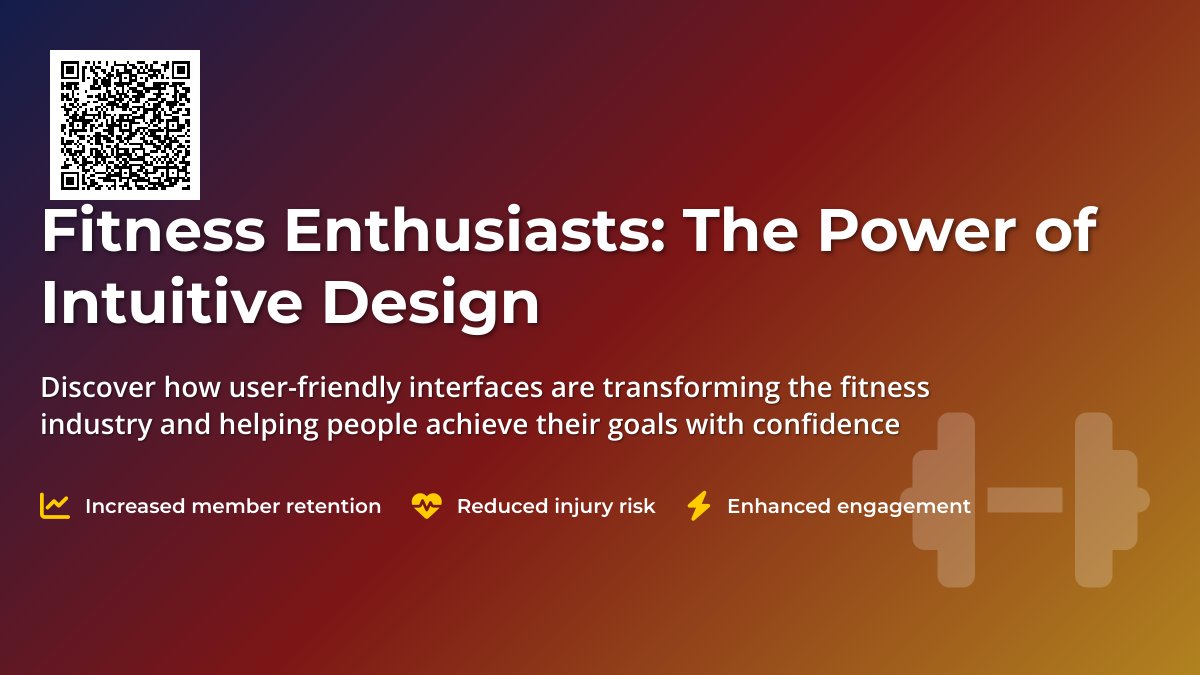
Fitness Enthusiasts: Overwhelmed by Complex Machines? Discover the Power of Intuitive Design
The modern fitness landscape is a testament to human innovation, with an array of equipment designed to target every muscle group and fitness goal. However, for many individuals, the sheer variety and complexity of fitness machinery can be overwhelming. This article delves into the growing importance of intuitive design in fitness equipment, exploring how user-friendly interfaces are reshaping the industry and empowering fitness enthusiasts to achieve their goals.
The Overwhelming Nature of Modern Fitness Equipment
Walking into a commercial gym can be an intimidating experience, especially for newcomers. Rows of machines with intricate controls, confusing displays, and multiple settings can leave even the most motivated individuals feeling daunted. The problem lies not in the equipment itself but in its interface—the way users interact with it. Complex interfaces can lead to several issues:
- Hesitation and Avoidance: Many individuals, particularly beginners, shy away from machines, opting instead for free weights or cardio equipment. This limits their ability to engage in targeted strength training.
- Incorrect Usage: Without a clear understanding of machine functions, users may perform exercises improperly, increasing the risk of injury.
- Frustration and Disengagement: Spending too much time trying to figure out how to use a machine can lead to frustration, reducing workout consistency.
- Lost Potential: Even experienced fitness enthusiasts may struggle to fully utilize a machine's capabilities due to poor design.
The Rise of User-Friendly Fitness Equipment
Fortunately, the fitness industry is beginning to address these challenges. The demand for user-friendly gear is on the rise, driven by several factors:
- Diverse Gym-Goers: Gyms now cater to a broader audience, including beginners, casual fitness enthusiasts, and those returning to exercise after a hiatus.
- Boutique Fitness Trends: Specialized fitness studios emphasize clear instruction and supportive environments, highlighting the importance of intuitive design.
- Technological Advancements: Innovations in display technology, software, and sensor integration have made it possible to create interfaces that are both functional and engaging.
- Data-Driven Fitness: The emphasis on tracking progress and optimizing workouts requires clear and accessible data presentation.
Key Features of Intuitive Fitness Equipment Interfaces
An intuitive interface is more than just a clean design; it's about understanding how users think and behave during a workout. Effective interfaces incorporate the following elements:
- Clear Visual Hierarchy: Essential information, such as resistance levels and time remaining, is prominently displayed. Color-coding and visual cues enhance clarity.
- Simple Navigation: Minimizing buttons and menus is crucial. Well-designed touchscreen interfaces and large, identifiable icons streamline the user experience.
- Contextual Help and Guidance: Integrated tutorials, instructional videos, or on-screen prompts provide valuable assistance, particularly for newcomers.
- Personalization Options: Customizable settings, saved programs, and progress tracking foster engagement and a sense of ownership.
- Real-Time Feedback: Immediate performance data, such as speed and heart rate, keeps users motivated and informed.
- Integration with Fitness Apps: Seamless connectivity with popular apps like MyFitnessPal and Strava allows users to track and share their workouts.
- Voice Control: Emerging technology allows users to adjust settings hands-free, adding a new level of convenience.
Examples of Intuitive Interface Design
Several manufacturers are leading the charge in creating user-friendly fitness equipment:
- Peloton Bikes & Treadmills: Known for their immersive, large touchscreen displays that offer live and on-demand classes, Peloton provides a visually appealing and easy-to-navigate experience.
- Technogym: Their sleek, modern equipment features intuitive touchscreens that guide users through workouts and provide detailed performance data.
- Life Fitness: This brand has focused on improving machine usability with clear displays, simplified controls, and integrated workout programs.
- Nautilus: Nautilus machines are designed with straightforward interfaces, focusing on essential information and ease of use.
The Benefits of User-Friendly Fitness Equipment
The advantages of prioritizing intuitive interfaces extend beyond user experience. Gyms, trainers, and users all benefit:
- Increased Member Retention: A positive and accessible workout experience encourages members to return, boosting retention rates.
- Enhanced Trainer Effectiveness: Trainers can focus on personalized coaching rather than explaining machine functions.
- Improved User Engagement: When equipment is easy to use, users are more likely to stick to their fitness routines.
- Reduced Risk of Injury: Proper understanding of machine functions minimizes the risk of improper form.
- Greater Equipment Utilization: Approachable machines are used more frequently, maximizing a gym's return on investment.
The Future of Fitness Interfaces: AI and Personalized Experiences
The evolution of fitness interfaces is poised to take a significant leap forward with advancements in AI and machine learning:
- Adaptive Workouts: AI systems will analyze user performance and adjust resistance levels and program settings in real-time.
- Personalized Coaching: Virtual trainers will offer real-time feedback and guidance tailored to individual needs.
- Biometric Integration: Wearable sensors and biometric data will provide a comprehensive view of user health and fitness.
- Augmented Reality (AR) Integration: AR technology could overlay instructional videos or performance data, creating an immersive workout experience.
Conclusion: Embracing Intuitive Interfaces for a Better Fitness Experience
The intimidation factor associated with complex fitness machines is a significant barrier for many. However, the shift toward user-friendly gear and intuitive interfaces is transforming the fitness industry. By prioritizing clear design, simple navigation, and personalized experiences, manufacturers and gyms can empower individuals to achieve their fitness goals with confidence and enjoyment. The future of fitness is not just about powerful equipment—it's about making that equipment accessible and engaging for everyone.
Suggested Internal Links
Suggested External Links
Important Notes for SEO Optimization
- Keyword Density: Ensure a natural distribution of keywords, focusing on readability and relevance.
- Keyword Variations: Incorporate related keywords and long-tail variations, such as "user-friendly gym equipment" or "fitness machine interface design."
- Image Optimization: Use descriptive file names and alt text for images, such as "intuitive-fitness-machine-interface.jpg."
- Header Tags: Properly structure your article with H1, H2, and H3 tags to enhance SEO.
- Meta Description: Craft a compelling meta description that includes your target keyword and entices users to click.
- URL Structure: Use clean, keyword-rich URLs for better SEO performance.
- Internal Linking: Link to relevant pages on your website to improve site structure and SEO.
- External Linking: Link to authoritative websites to boost credibility.
- Mobile-Friendliness: Ensure your website is responsive and optimized for mobile devices.
- Page Speed: Optimize your website for fast loading times.
- Schema Markup: Consider adding schema markup to provide additional context to search engines.
- Promotion: Share your article on social media and other platforms to drive traffic and build backlinks.
By following these guidelines, you can create a comprehensive, SEO-optimized article that resonates with your audience and ranks well in search engines.


